16 October 2019

EECP in Kota Kinabalu @ DamaiMedic Oasis Medi-Hub

What is EECP®️?
It stands for Enhanced External Counter Pulsation.


What is the difference between EECP®️ and ECP?
The technology of reversing heart ischemia without surgery by enhancing coronary collateral flow using external pneumatic lower limbs cuffs synchronized to the diastolic phase of cardiac cycle is generally known as ECP (External Cardiac Pulsation). EECP®️ is a registered trademark of a certain ECP machine marketed by the Vasomedical, Inc. In terms of form and functions, both are basically the same and the term EECP®️ and ECP are often used interchangeably.

How does ECP reverse heart ischemia?
This technology of pumping blood into the coronary arteries when the heart is in the relaxed phase has been developed since 1953 by the Kantrowitz brothers from Harvard University. They invented the IABP (Intra Aortic Balloon Pump) which has been refined over the years and still being used today to treat cardiogenic shock. This procedure is highly invasive and only highly skilled Interventional Cardiologists are qualified to perform this procedure.

However, due to IABP's effectiveness in improving the heart coronary blood flow, this concept of  'diastolic augmentation' has been modified from 'internal-IABP' to 'external-ECP' by Dr.Sarnoff and Dr. Birtwell to enable more people both healthy and sick, to have access to this technology to improve blood circulations to the heart, brain, kidneys and liver effectively.

The milking of of blood from the lower-limbs in a sequential manner from calf to thigh to buttocks are able to increase blood flow to the heart as much as 20-40%. EECP®️/ECP is able to increase blood flow to the heart and vital organs without any surgery, painlessly and without needles. ECP does so by compressing the lower limbs and buttocks using pneumatic cuffs effectively.


 Does it mean any massage machine that compresses the legs is able to achieve the same effectiveness as EECP?
No. Diastolic augmentation is only effective when the counter pulsation machine is able to generate a peak diastolic arterial waveform that is 1.5 to 2 times higher than the peak systolic arterial waveform. Thus the timing accuracy and the effective pressure transmission of the ECP machine are two vital features that make ECP therapeutic compared to an ordinary calf massage machine.

Why is it that I have never heard of ECP treatment before?
ECP is a disruptive innovation that could change the course of heart disease progression if the intervention is timely. The more ECP is proven to be effective in reducing the number of heart attacks, the less cases of heart bypass and angioplasty may be possible in the near future. If the medical facility you visit considers this scenario as a conflict of interest, you will most probably not hear of ECP being promoted. However, heart centers offering holistic heart treatment would have the ECP incorporated in their heart rehabilitation module.

To date ECP is available in more than 40 countries in the world. Now ECP is also available in Kota Kinabalu @ DamaiMedic Oasis Medi-Hub. You can call +6016-4117100 for more info about EECP/ECP therapy.

Who will benefit from ECP therapy? Those who have:
  • Chest pain (stable angina)
  • Known heart blockages
  • Stenting and bypass surgery done previously
  • Poor energy and easy fatigability
  • High risk factor for diabetes, hypertension, hypercholesterolemia.
  • Sedentary lifestyle (no exercise)
  • Need for general well-being
If you have any of these conditions below, ECP is not advisable:
  • Pregnant
  • Arrhythmias
  • Aortic Aneurysm
  • Blood Pressure more than 180/110mmHg
  • Pacemaker/ Defibrillator
  • Pulmonary Hypertension
  • Acute Decompensated Heart Failure
  • Haemorrhagic Stroke
  • Venous Thrombosis in Lower Limbs
  • On Warfarin with INR >3.0
  • Bleeding Disorders
What is the mechanism of ECP?
Well, let the Dr Wong Teck Wee, the Interventional Cardiologist explain:


What are the evidences to prove ECP therapy really works?
The European Society of Cardiology (ESC) has given the recommendation of Class IIa with Level of Evidence B in their clinical guideline for patients with Refractory Angina Pectoris.

Major EECP studies like IEPR2, MUST-EECP and PEECH Trial provide convincing evidences on the role of EECP in cardiovascular care.


To view more research papers on the effectiveness of EECP Click Here

16 October 2018

ARE YOUR BREASTS DENSE? YOU MIGHT BE AT RISK OF DEVELOPING BREAST CANCER!


Do you know that higher breast density is associated with higher risk of developing breast cancer? The article below seems to support the evidence (click here for the full article). 

This article suggests that it is not good enough to do mammogram at 40 years old and older to detect breast cancer. Breast density percent which can be calculated from mammogram are convincingly suggesting the link between denser breast with higher risk of developing breast cancer. Sounds like we have another useful modifiable risk factor which can help us in our quest of preventing breast cancer that attacks 1 in 16 women in Malaysia.
But we have a problem. We don't routinely do mammogram for women below 40 years old. This is due to 2 reasons; 1) Women less than 40 years old have denser breast which may mask any abnormal breast growth thus negatively affecting the mammogram's sensitivity to detect cancer. 2) If this rule is not strictly adhered to, we will be having lots of women in their teens and 20's doing mammogram for screening purpose and subjecting their developing breasts to potentially harmful X-ray radiations. Young women may risk developing breast cancer when they are older if their breasts are exposed to ionizing radiation like mammogram when their breast are immature and still developing.


But all hope is not lost. A rather convincing estimation of breast density can be achieved with ultrasonography of the breasts. Ultrasound breast does not emit ionizing radiation, thus it is safe to do (even repeatedly) on young or developing breasts.


Alternatively, in my clinical practice, a low-tech and simple manual breast examination would reliably distinguish a lumpy breast from a normal (non-lumpy) breast tissue. Establishing an abnormal breast growth (ie Cancer) among lumpy breast tissues is more challenging. 

In other words, a lumpy breast detected by manual breast examination is more likely to be a dense breast. Alternatively, a non-lumpy breast tissue detected by manual breast examination is more likely to be not dense.


So what can we do when we know our breast is dense? The current medical establishment approach to breast care is rather fatalistic in my personal opinion. They are focusing on detecting abnormalities (breast cancer) early rather than prevent its occurrence altogether. It is equivalent to saying that we are expecting a robber to come to our house (because of certain risk factors) and our only strategy is to anticipate the robber's arrival as early as possible so that we can catch the robber successfully. Nothing wrong with that idea. But personally, I would rather establish a local security force and stop any unregistered stranger from entering the gated neighborhood. I don't know about you but my family feels less traumatized if I can stop the robber from even entering my neighborhood altogether.


Risk factors for developing breast cancer are well-established namely:

  • Older age (the older she gets, the higher her risk)
  • Age of menarche (the earlier her first menses, the higher her risk)
  • Nulliparous (never given birth before, the higher her risk)
  • Late child birth (the later she delays having a baby, the higher her risk)
  • Not breast feeding (higher risk compared to moms who breastfeed)
  • Use of oral contraceptive (the earlier and longer duration of OCPs use, the higher her risk)
  • Positive family history of breast cancers in 1st degree relatives (15% chance higher risk)
  • Frequency of previous benign breast growth (the more growth, the higher her risk)
  • Genetics (BRCA1 & BRACA2); if she has this gene, the higher her risk. Remember Angelina Jolie removing both her breasts for this?)   
I am not sure if you have noticed that most of the risk factors above are beyond your control. You don't get to choose your parents, do you? And it is not like you can stop aging or delay menarche or when you will meet your Mr Right and procreate.

Therefore, detecting a dense breast by virtue of self-breast examination or ultrasonographic examination at the doctor's office seemed to be a more practical and acceptable solution.

So what causes dense breast? When we say dense breast, we are actually referring to the 'water' component of the breast rather than the fat tissues. In mammogram, the milk glands, blood vessels and lymphatics complex which constitutes the 'water' component of the breast appears white and so is differentiated from the fat tissues that appears darker. The percentage density is thus calculated.

Breast density can be influenced by hormones such as estrogen and human growth hormones. Apart from stimulatory effects, these hormones cause water retention. Any obstruction in the lymphatic, mammary ducts and venous return can compromise the breast fluid circulation.

Therefore, non-pharmaceutical methods of improving breast lymphatics and blood circulations includes:

  • Massage and suction devices: providing direct positive and negative pressures, assisting in the flow of fluids in the intra-vascular, intra-compartmental, and trans-cellular compartments of the breast.
  • Direct Tactile Vibrations at 120Hz: reducing blood vessels resistance by unclogging capillaries and preventing stasis of the lymphatics at the extracellular spaces.
  • Far-Infra Red (3-12 um): stimulatory effects on cells and tissues, promoting healing.
  • Negative ions: restoring the negative charge/cations on cell surfaces and the cellular milieu for optimal cell functioning and intra-cellular communication/signalling.

Devices which support breast care are available in the market. Nevertheless, it cannot be over-emphasized that a good diet, regular exercise, normal sleep wake cycle, loving relationships and inner peace are all essential components in a holistic model of breast care.


04 September 2018

How Does Gardasil 9 Prevent Cervical Cancer?

What causes Cervical Cancer?

  • Causes and risk factors for cervical cancer include Human PapillomaVirus (HPV) infection, having multiple sexual partners, smoking, taking birth control pills and engaging in early sexual intercourse.
  • HPV infection may cause cervical dysplasia, or abnormal growth of cervical cells.
  • Regular pelvic exams and Pap smear testing can detect precancerous changes in the cervix.
  • Precancerous changes in the cervix is a treatable disease with cryosurgery, cauterization, or laser surgery.
  • Please consult your medical doctor if you have such signs and symptoms which can be associated cervical cancer:
    • abnormal vaginal bleeding
    • increased vaginal discharge
    • bleeding after going through menopause
    • painful sexual intercourse
    • pelvic pain
  • The fact that HPV DNA was detected in 93% of cervical tumours showed the strong correlation between Human Papillomavirus and cervical cancers. Thus, preventing HPV infection via vaccination would significantly reduce cervical cancers.
Which vaccines are available in Malaysia to prevent HPV infection?
What are the differences between CERVARIX vs GARDASIL vs GARDASIL 9?


Indication for GARDASIL 9 (Human Papillomavirus 9-valent Vaccine, Recombinant):
  • Females from 9 to 26 years old for the prevention of cervical, vulvar, and anal cancers caused by human papillomavirus (HPV) Types 16, 18, 31, 33, 45, 52, and 58; precancerous or dysplastic lesions caused by HPV Types 6, 11, 16, 18, 31, 33, 45, 52, and 58; and genital warts caused by HPV Types 6 and 11.
  • Males from 9 to 26 years old for the prevention of anal cancer caused by HPV Types 16, 18, 31, 33, 45, 52, and 58; precancerous or dysplastic lesions caused by HPV Types 6, 11, 16, 18, 31, 33, 45, 52, and 58; and genital warts caused by HPV Types 6 and 11.
How is Gardasil 9 given?
  • A total of 3 doses of vaccination are given.
  • The first and second dose is given 1 month apart.
  • The third dose is given 6 months after the first dose.

23 February 2018

Nose Unblocking Exercise- Try it!


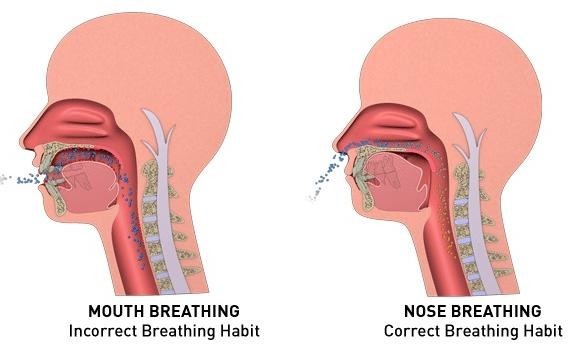
Breathing through the mouth causes blood vessels in the nose to become inflamed and enlarged. This, along with an increased secretion of mucus, creates the uncomfortable feeling of nasal stuffiness. When the nose become blocked, it is much more difficult to breath through it, thus perpetuating the habit of breathing through the mouth. Continued mouth breathing results in a more permanent state of nasal congestion, thus completing the vicious cycle.

Nasal obstruction is one of the man symptoms of rhinitis and affects many people on a daily basis. The most common treatments include the avoidance of triggers (such as pollen) and the use of decongestants, nasal steroid sprays, antihistamines or allergy shots, but while these offer symptomatic benefits, they are effective only as long as treatment continues.


Below is a useful breathing exercise to improve symptoms such as nasal stuffiness, poor sense of smell, snoring, trouble breathing through nose, trouble sleeping and having to breathe through the mouth. Please do not practice this exercise if you have pre-existing breathlessness, high blood pressure or other cardiovascular issues, diabetes, pregnant or having any serious health concerns. Like all breathing exercises, the Nose Unblocking Exercise should not be practiced right after eating.


  • Take a small, silent breath in through your nose and a small, silent breath out through your nose.
  • Pinch your nose with your fingers to hold your breath.
  • Walk as many paces as possible with your breath held. Try to build up a medium to strong air shortage, without overdoing it.
  • When you resume breathing, do so only through your nose. Try to calm your breathing immediately.
  • After resuming your breathing, your first breath will probably be bigger than normal. Make sure that you calm your breathing as soon as possible by suppressing your second and third breaths.
  • You should be able to recover normal breathing within two or three breaths. If your breathing is erratic or heavier than usual, you held your breath for too long.
  • Wait for a minute or two before repeating the breath hold.
  • In order to prepare yourself for the longer breath holds, go easy for the first few repetitions, increasing your paces each time.
  • Repeat for a total of six breath holds, creating a fairly strong need for air.
Generally, this exercise will unblock the nose, even if you have a head cold. However, as soon as the effects of the breath hold wear off, the nose will likely feel block again. By gradually increasing the number of steps you can take with your breath held, you will find the results continue to improve. When you are able to walk a total of 80 paces with the breath held, your nose will remain decongested. Eighty paces is actually a very achievable goal, and you can expect to progress by an additional 10 paces per week.
Adapted from "The Oxygen Advantage" by Patrick McKeown

22 February 2018

Reducing Gray Hair

Over time, our hair turns gray. Gray hair is a characteristic mark of aging, generally considered irreversible. Only the use of colour agents hides the gray hair away, but does nothing to treat the cause of the disorder. Graying hair is older, less healthy hair whose structure is altered.

Why does our hair turn gray?

Colour emerges in human hair by accumulation of a pigment called 'pheomelanin' in the hair follicle cells. Production of this dark pigment requires the presence of high levels of antioxidants and antioxidant precursors such as cysteine and amino acids like tyrosine. Low antioxidant levels give a free hand to free radicals. Unopposed free radicals interfere with pheomelanin production. They damage amino acids such as the cysteine and antioxidants necessary for the natural hair colour. Any drop in the concentration of cysteine at the hair roots will result in reduction of glutathione (a powerful antioxidant for hair). At excessive free radical levels, the tendency to form the gray eumelanin pigment is higher. Free radicals are molecules that contain oxygen, which is highly reactive and may injure surrounding tissues.

Gray hair, signs of wisdom or declining health?

By catching their first gray hair, individuals of age 40 and above my acquire a more imposing presence. We tend to consider them as wiser, more experienced, having something more serious in them. Their increase in wisdom might be true, but what is certainly true, is that the onset of gray hair, as well as the development of wrinkles is linked to a decline in health. Gray hair and wrinkles reflect the intensity of the attacks by free radicals. Having gray hair is not benign. It means that health is no longer optimal.

The Danish epidemiologist Schnohr and his team showed a reduction of 19% of deaths among people without gray hair compared to those of the same age whose hair is graying. The higher mortality of subjects with gray hair is mainly due to a higher incidence of myocardial infarction. People with patches of gray hair, the so-called 'salt and pepper' hair, present a 40% superior risk of heart attack (myocardial infarction). In subjects with completely gray hair, this risk doubles.

Dietary Changes That May Recolour Hair

Cereal elimination diets may recolour the hair. The first thing to do when gray hair appears is to stop eating foods based on (unsprouted) grains. Elimination of grains in diet is strict for patients with digestive disorders or suspicion of cereal intolerance (celiac disease). Anecdotal reports of gray hair reversal after stopping grains are reported in the scientific literature. Therefore, avoid bread, muesli, porridge (oat), pasta for 6 months to see its effects on the hair. Food allergy tests can also help to confirm allergy to grains, but not all types of cereal intolerance appear in these tests. So the best approach is to do a trial of total avoidance of all grains

Nutritional Therapies That May Recolour Hair

The second intervention to restore hair colour in graying hair is to try topical nutritional treatments. Several nutritional supplementation have been reported to moderately recolour gray hair.

  • Oil rich in omega-6 polyunsaturated fatty acids (linoleic, gamma-linoleic acid)
  • Copper
  • Zinc
  • PABA (para-amino-benzoic acid)
  • Vitamin B12
  • Biotin
  • Phenylalanine (contraindicated in patients with phenylketonuria)
  • Tyrosine
  • Cysteine
  • Methionine
Hormone Therapies That May Recolour Hair
  • MSH (melanocyte stimulating hormone)
  • Thyroid hormone T3
  • Testosterone
  • Growth hormone
The above supplementation have been reported to slow down or reduce graying hair but in clinical practice the results are not convincing enough often due to genetics predisposition of the subjects. Nevertheless, by improving the nutritional and hormonal health of the person and enhancing scalp micro-circulation, we could at least eliminate factors which cause premature graying of the hair.

Men's health: The Prostate Gland

Are you experiencing these signs and symptoms?

  • Difficulty in passing urine
  • Dribbling, unable to stop urine completely towards the end of urination, wetting the underwear
  • Increased frequency of urination
  • Increased night urination
  • Raised PSA (Prostate Specific Antigen; Normal levels <4ng/ml)
  • Age group 51-60 years old (affects 1 in 2 men of this age group)
  • Suffering silently, thinking that it is due to natural aging process
  • Avoiding travelling and social functions

The prostate is not one big gland but a tissue containing some sparse gland embedded in abundant fibrous tissue and surrounded on the outside by a capsule mainly made of muscles.

On the outside, a robust muscular capsule surrounds the prostate. Its muscular fibres are nourished and maintained mainly by testosterone. When the levels of testosterone drop with aging, the deficiency allows the capsule to degenerate and its muscle fibres to be slowly replaced by fibrous tissue. The fibrosis prevents the prostate from contracting and propelling prostate liquid from the glands into the urethra during intercourse, an essential function of the prostate.

Inside the prostate, about 65% of the space is occupied by hard, fibrous tissue called stroma. The stroma increases depending on the levels of female hormone estradiol. When estradiol levels are too high, stroma overwhelms the inside of the prostate, occupying up to 95% of the space, while it should normally not exceed 65%.

The rest of the prostate is made of small glands that give the soft feeling to the healthy prostate upon digital rectal exam. These glands also depend on male hormones for their well-being, in particular on dihydrotestosterone (DHT). If levels of DHT decline, for example, with aging or by taking finasteride (Proscar®), which decreases dihydrotestosterone production by blocking the enzyme 5-alpha-reductase that converts testosterone to DHT, the glands atrophy and perish. A long term use of finasteride and other 5-alpha-reductase blockers can adversely affect the prostate.

Men who suffer from benign prostatic hypertrophy (BPH) have dysuria (difficulty urinating) and are often prescribed blockers of the production of DHT such as finasteride. The first few months of intake of a 5-alpha-reductase blocker, patients may feel relieved and experience urination improvement. The improvement is due to shrinkage of the small glands within the prostate, caused my the decreased level of DHT. Unfortunately, on long-term basis, the coexistence of low DHT and high estradiol levels stimulates wild proliferation of the stroma. The expansion of stroma considerably increases the size of the prostate, but, worse, it transforms it into a hard, fibrous mass that further blocks urine outflow through the urethra. Therefore, 5-alpha-reductase blockers are never a long-term answer for BPH.

The better treatment is to treat the high estradiol levels instead.

How to lower high estradiol levels in men?

Aging men often have elevated levels of estrogens in the blood, especially estradiol.One reason for this is that older men tend to have more body fat than younger men. Fat tissues is rich in aromatose that converts testosterone to estradiol. The fatter men become, the higher the estradiol levels usually are.

Prolonged exposure to high levels of estrogen is associated with various "old man" problems: gynaecomastia (breast development), impotence, benign prostate hypertrophy with urinary difficulties, and myocardial infarction. The benign prostate hypertrophy usually results form an excessive proliferation of stroma (fibrous tissue) in the prostate stimulated by the high estradiol levels. The increased stroma hardens and enlarges the prostate, and thereby compresses the urethra and decreases the urine flow. Studies have shown metaplasia (abnormal cell transformation) of the prostate glands in animals given estrogen treatment. Other studies have shown a direct correlation between estrogen levels and myocardial infarction. The higher the levels, the more severe the heart attack.

As testosterone (T) can convert into estradiol (E2) with the help of the enzyme aromatase (in fats), T treatment may increase the E2 levels. The reverse can also be true, namely that T treatment may reduce the E2 level through an inhibition aromatase enzyme and a stimulation of the 5-alpha-reductase, the enzyme that converts T to DHT. Careful observation can help the physician to predict which men will usually produce more E2 or DHT when given T therapy. Men with obesity, gynaecomastia and deficient body hair are rich in aromatase, and will generally make more E2 than DHT from the testosterone therapy.

 
In contrast, the reverse is true for men with higher-than-average body hair development, who are proportionately richer in the 5-alpha-reductase enzyme that produce DHT. These men have no or a low tendency to produce high E2 levels, are at low risk of developing breasts or obesity, but are inclined to lose hair at the top of the head, the typical form of male pattern baldness.

Various causes increase the levels of estradiol in men. The most common causes are heavy drinking of caffeinated beverages and alcohol, obesity (due to the abundant adipose tissue producing aromatase), and wearing tight underwear and trousers.
Tight underwear will compress the testicles' blood vessels.
The compression slows the blood flow, causing ischemia (a lack of fresh blood and oxygen) for the testosterone-producing Leydig cells. The Leydig cells suffer more from the asphyxia than the estradiol-producing Sertoli cells, which are able to compensate by overproducing E2. The correction of all these causes is often sufficient to normalize the level of E2. If a man presents one or more of these conditions, correcting them all together may lower the level of E2 by 20 to 70% and thus normalize it.

21 February 2018

Obesity Explained by The Feast-Famine Cycle and Sleep Pattern


Our body is not designed for excessive eating and prolonged sedentary life!

The survival of the early human species was dependent on the constant search for food which necessitates regular physical activity. Unlike today, food supply was never consistent. Our hunter-gatherer ancestors had cycles of feast and famine, physical activity and rest. "Thrifty genes" evolved to ensure efficient intake and utilization of fuel (food). This ancient genome has not changed for the past 10,000 years and certainly has not changed over the past 40-100 years when electricity, refrigerator and convenient stores came into existence. Although the absolute caloric intake of the modern man is less compared to our hunter-gatherer ancestors, the modern man has a positive caloric balance due to our increasingly sedentary lifestyle. Our current situation of continuous food abundance and physical inactivity has caused chaos in our evolutionarily programmed biochemical cycles and ultimately resulting in metabolic derangement such as obesity and Type 2 diabetes. Therefore it is postulated that a certain threshold of physical activity is needed to ensure that that this cycling of metabolic processes continues. Manu V. Chakravarthy and Frank W Booth. Eating, exercise, and "thrifty" genotypes: connecting the dots toward an evolutionary understanding of modern chronic diseases. Journal of Applied Physiology.2004 96;3-10


You have to be "Metabolicaly Flexible" if you want to lose weight and stay healthy. God has gifted us with 4 different metabolic pathways for energy production. Our cells can produce energy from Carbohydrate, Fats, Ketone bodies and Proteins. Unfortunately, our society has been priming our bodies with predominately carbohydrate as the main source of energy. Being metabolically flexible or resilient means our body can switch to other alternative source of energy namely Fats and Ketone bodies. We do not want to cause our body to use proteins from our muscles as the source of energy because that literally means we are 'digesting' ourselves and this happens during severe famine or sickness.


EATING FATS WILL NOT MAKE YOU FAT! EATING EXCESSIVE CARBS WILL MAKE YOU FAT. 
  • CARBOHYDRATES INCREASES BLOOD SUGAR LEVEL, RESULTING IN INCREASED INSULIN SECRETION FROM THE PANCREAS. 
  • INSULIN WILL THEN INCREASES SECRETION OF LIPOPROTEIN LIPASE WHICH WILL INCREASE ABSORPTION OF FATS FROM YOUR BLOODSTREAM INTO FATS IN YOUR BODY CELLS. 
THEREFORE, EATING CARBOHYDRATES WILL CAUSE CONVERSION OF DIETARY CALORIES INTO FAT!


So a good strategy of loosing weight healthily would be:
  1. Re-awaken fat burning (beta-oxidation) capacity
  2. Use ketones as fuel
  3. Avoid breaking down muscle tissues
  4. Reset endocrine system
  5. Maintain/regain normal weight
  6. Reduce inflammation
  7. Become metabolically more resilient

SO HOW DOES SLEEP AFFECT YOUR BODY FATS?

  • Sleep deprivation will cause your cortisol hormone to increase. High cortisol level in blood will increase insulin secretion. Insulin will increase conversion of dietary calories into fat.
  • People who slept more lost more fat than those who slept less. Yes, we literally burn fat during slept.
  • Sleep deprivation cause the body to preserve body fats at the expense of the muscles (60% more muscles were lost by sleeping less).
  • Those who slept for fewer hours had produced more of the appetite stimulating hormone ghrelin. They woke up hungrier!
  • We may think that we burn more calories by staying awake longer, but that is not true at all! Less sleep causes our body to down-regulate metabolism to preserve energy to cope with the increased energy demand of staying awake.
  • Bottom Line: If you want to burn fat, preserve muscle and wake up less hungry when you are dieting, sleep more...8.5 hours a night to be exact.
Click here to read the study